Clepsydra
About this project
The Water Clock
Camilo Pessanha (1867–1926) was a Portuguese Symbolist poet who spent most of his adult life in Macau as a judge and opium addict. His only collection, Clepsydra, was published in Lisbon in 1920 — assembled largely without his involvement from manuscripts circulating among friends. He died in Macau six years later.
The clepsydra is a water clock: time measured by what drains away. Pessanha’s poems are the experience of dissolution transmuted into verse — time losing its edges, the self losing its edges, beauty and horror becoming indistinguishable, the present moment perpetually slipping through the aperture.
This record sets all 30 texts of the 1920 edition to music, sung in Patuá-inflected Portuguese — the Macanese Creole spoken in Pessanha’s Macau, shaped by Portuguese, Cantonese, Malay, and Sinhala. Fewer than fifty native speakers remain today.
The production conceit: a Macanese dance band in the International Settlement of Shanghai, early 1930s. A pianist trained in Lisbon. A tenor saxophonist from Guangzhou. A trumpeter who played the Paramount Ballroom. A Macaense singer, adept in Portuguese slipping in her native Patuá, and familiar with shidaiqu singing of the era. They record in a single room. The reverb is the room. No overdubs. The cavernous reverb on some tracks suggests a theatre or dance hall with a high ceiling and wooden floors — somewhere that held bodies moving to music, before the music stopped.
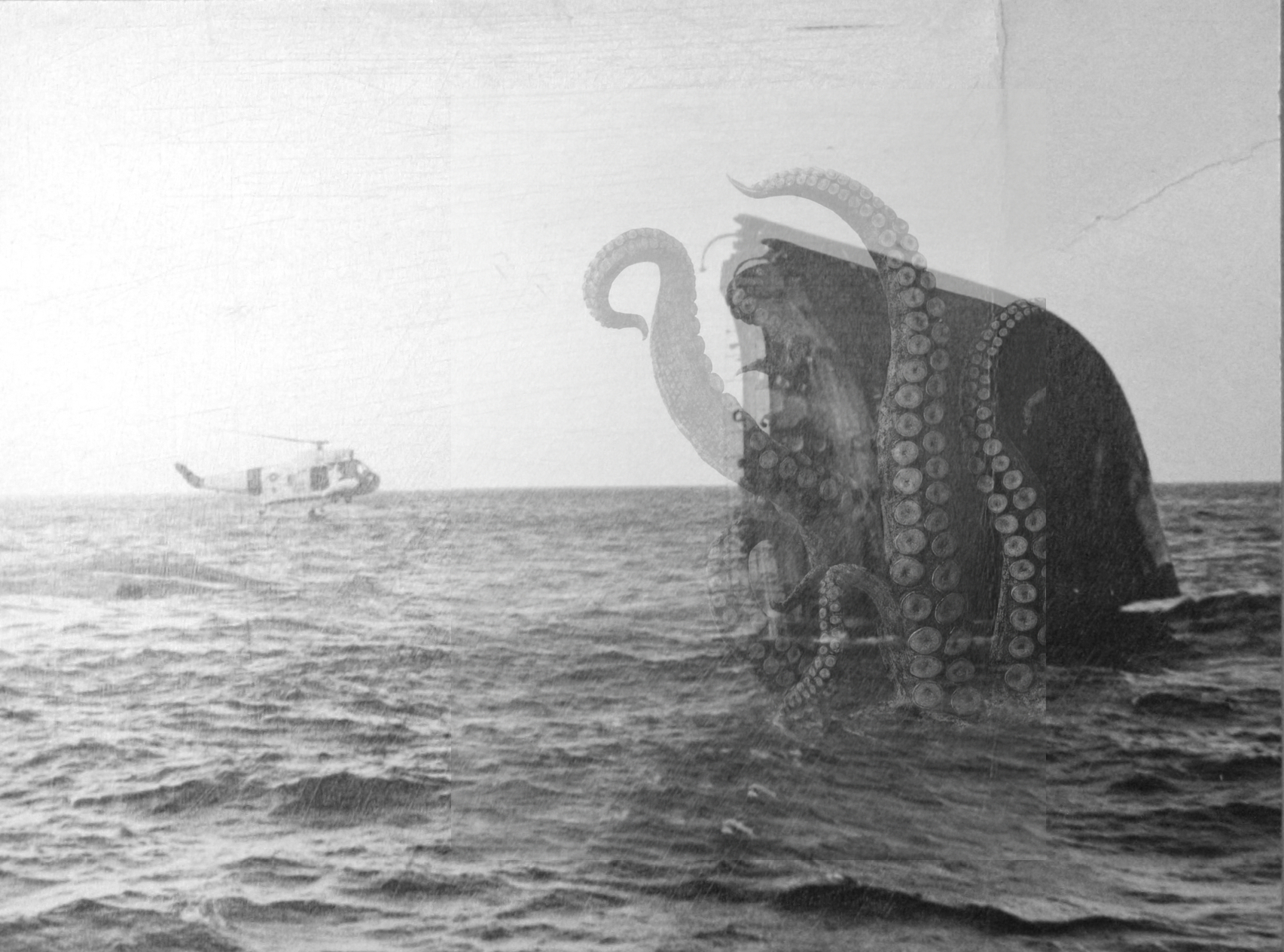
The Japanese invasion of Shanghai in 1931 and subsequent Great Pacific War prevented the record’s release. This pressing languished unknown in a Shanghai junk shop until today.
Production
One Idiom, Thirty Poems
Every track shares a single aesthetic statement: 1930s Shanghai shidaiqu — 時代曲 — vintage recording warmth, urgent swing surrender, cavernous reverb, and cinematic in sound.
As an arrangement choice, this was a deliberate decision. The risk is that thirty tracks in one idiom flatten into wallpaper. The wager is that the idiom, played with enough feeling, reveals different things in different poems — that the same swing can carry grief and sardony and tenderness and emptiness without pretending to be something else each time. Whether that wager pays is a question each listener answers somewhere around track XXIV, when the nadir arrives and the idiom holds steady around it.
Camilo Pessanha wrote Clepsydra in Macau at the edge of multiple cultural worlds. His Symbolist poems dissolve narrative into atmosphere: images recur like reflections on water, and meaning emerges through repetition, distance, and fading light. This sensibility finds an unexpected musical counterpart in shidaiqu, the early twentieth-century Shanghai genre that blended Chinese melodic tradition with jazz harmony and Western dance rhythms. Shidaiqu songs often unfold through cyclical grooves and suspended harmonies, allowing mood and texture to carry emotional meaning rather than dramatic development. In Sunk Ships Sing Clepsydra, that musical language becomes a sonic analogue to Pessanha’s poetics: time does not advance in narrative steps but reveals itself slowly through echoes, refrains, and the gradual drift of sound.
Production constants across all tracks:
- Recording warmth — the warmth of analogue equipment in a live room
- Cavernous reverb — the room itself audible behind every note
- Urgent swing surrender — the rhythm section leans in, the vocalist leans back
- Cinematic — each track has an arc; silence is used as a structural element
The Patuá used throughout is genuine Maquista, not Portuguese with creole colour. Where a lyric uses num for não, or coraçon (and in track IX the deeper Patuá form coronçon) for coração, or tancu where Portuguese has no equivalent, that is the language as spoken — the Patuá Lexicon at the end of this page documents the divergences.
The album begins in suspension. A descending harmonic figure repeats alone long enough for the listener to register the room around it before the bass quietly joins underneath. Even then the groove refuses to fully declare itself: percussion waits another cycle, and when it arrives it sits low in the mix, brushing the time rather than driving it. Reverb carries much of the motion — the chord decay filling the space where rhythm normally pushes forward. The four-line Inscripção is Pessanha’s minimalist self-epitaph: a lost land, a languorous soul, the wish to dissolve into the earth without noise, like a worm. The shidaiqu swing is deliberately held back here. What registers instead is the warmth of the room — the reverb doing the work that the rhythm section would normally do.The track moves in slow circles rather than progression, establishing the album’s central sensation: time passing not through events but through repetition.
The first sonnet proper: an elaborate coat of arms tattooed on Pessanha’s chest — two winged lions, a heart’s-ease pansy, a maiden as a buckler. Pride and ruins in the same image. The trumpet enters on the chorus, bright and heraldic. The shidaiqu swing is fully present here for the first time, and the band sounds pleased with themselves. The sestet’s final line — a collar of bezants in gold — arrives at the highest energy point in the album so far. The rhythm section is already present here, but deliberately restrained. A steady mid-tempo pulse settles in while a repeating melodic fragment circles above it. Instead of developing through new harmonic material, the track deepens through accumulation: each pass slightly thickens the texture as bass, percussion, and melodic lines lock into a tighter pocket. By the final cycle the groove feels physically grounded — less like music being played than something gradually impressed into the arrangement itself.
Pessanha’s obsession with a marble-cold beloved, the burning kiss that cools on frozen lips, the sealed tomb. Nothing is warmer at the end than at the start. Where Tatuagens builds density through repetition, Estátua removes motion almost entirely. Sustained harmonic planes dominate the mix, and the groove dissolves into long held tones supported by low bass resonance. The rhythm section retreats to the edges while the harmonic center stands immobile in the middle of the soundstage. The track’s power comes from its stillness: instruments occupy space like structural elements rather than rhythmic voices.
The first full Shanghai cabaret track — and the first real warmth in the album. Pessanha’s gramophone preserves three dead registers in sequence: a comedian’s monologue, a barcarola, a clarion at dawn. The groove begun in Tatuagens returns, but now with mechanical precision. A circular rhythm settles in immediately, bass and percussion establishing a loop that feels less like forward motion than rotation. Melodic fragments repeat with small tonal changes, giving the impression of a stylus tracing grooves on a record. The arrangement becomes subtly brighter with each repetition, but the central motion never breaks the loop — it simply spins.
A pastoral ache — the hill descending in glaucous foliage, a woman in white glimpsed among the trees, the eyes burning with fury slowly cooled by the green tones. The chorus is a composed summons: Oh vem, di branco — repeated at four different harmonic positions as the band’s confidence builds. The sestet’s final phrase — alma di sylpho, carne di camelia — is given the track’s most open, reverberant arrangement. The tonal palette softens and opens upward. The groove remains mid-tempo but relaxes, allowing the melodic line to step forward in the mix. Harmonic movement becomes more fluid, and the arrangement breathes more than the preceding pieces. The track feels like an invitation: rhythm supporting the melody rather than containing it.
Venus from the water — slender, nude, steering a white shell. Young Pessanha: proud, mythological, the body exposed to Death with defiance. The Shanghai cabaret treatment makes it sensual rather than heroic. The rhythm sharpens here. Percussion becomes more articulate and the bass line outlines the harmonic progression with clearer direction. The melodic figure rises gradually through the arrangement, giving the track a sense of lift that earlier pieces avoided. The groove stays elegant rather than forceful, but the forward motion is unmistakable. Note the line Cá tá formoso, moço e casto, forte — the Patuá cá (here I am) locating the speaker fully in the scene.
After the conquest, alone on a deserted island, the treasure ships gone — the caravels loaded with moonlight webs and diamond legends of the stars. The dead soldiers dreaming on their backs, reflecting stars, mouths agape. Energy recedes again. The groove slows perceptually, even if the tempo remains similar. Bass and percussion provide a steady floor while the upper instruments move more sparsely, creating a reflective atmosphere. The mix feels slightly darker and more grounded, as though the music were surveying what remains after movement has passed.
The violated home: torn sheets, smashed table, spilled wine, sunflowers cast onto the road. A tension enters the harmony. The groove becomes slightly fragmented — percussion emphasizing off-beats while bass anchors the center. The arrangement feels unsettled, with subtle shifts in tonal color moving beneath the steady pulse. Nothing explodes; instead the track maintains a quiet unease.
Note Patuá num tê (don’t), using Maquista negation num with the aspectual verb tê.
The heart commanded to return to calmer times: snow on the elm trees, ash cooling on the grate, the apple orchard about to bloom, the litanies sung in aged sweet voices. The music turns inward. The groove relaxes into a softer swing feel and mid-range instruments carry the melody in close proximity. Bass and percussion support the structure gently while the melodic voice moves freely above them. The overall sound becomes warmer and more intimate.
Wild roses that bloomed by mistake in winter, stripped by the wind. Two people walking hand in hand, thoughts elsewhere, watching the castles they built fall. Bridal snow strewing the ground in the acropolis of ice — “who scatters them, from the sky, over us both, over our hair?” The arrangement brightens suddenly. Short melodic phrases appear in quick succession, layered over a steady rhythm section. Each repetition slightly alters the harmonic color, giving the track a brief blooming quality. The groove remains controlled, preventing the brightness from becoming exuberant.
All that remains of the finished love: anemones, hydrangeas, a convent now full of nettles and crawling snakes, a name on a grave barely readable. The groove continues but softens considerably. Bass outlines the harmonic cycle while percussion withdraws into light accents. Sustained chords fill the space between melodic gestures, leaving the track suspended between movement and stillness. The arrangement emphasizes space rather than density in the spaces between vocal phrases — a memory of something that was once celebrated, arriving late and leaving early. The sestet ends with “Oh sweet — naive — funerary inscription,” which the arrangement treats with exactly the same warmth as the verses about the flowers.
The poem: a ship sailing over a seabed of apparent beauty — porcelain pebbles, rose-coloured shells, “oh brilliant vision, beautiful lie!” — which turns out to be composed of little fingernails broken by the tide, teeth unset by the rocking, pieces of bones. The rhythm becomes more assertive again. Bass traces a steady path through the harmonic progression while percussion drives a clearer pulse. The track moves fluidly across its sections, the groove carrying the arrangement forward like a vessel cutting through water.
The poem already has the structure of a song — its internal refrains are genuine hooks.
Autumn ending, the oblique frozen sun, the river carrying everything away: her hair floating beneath the surface, her open dreaming eyes, her translucent cold hands — “refracted, undulating at length.” The refrain
The returned traveller finds his own footprints still fresh in the wet sand — then realises the tide is coming. A warmer tonal center appears. Bass becomes more prominent and the groove feels grounded again. The arrangement balances rhythmic stability with reflective melodic movement, allowing the track to sit comfortably between motion and memory. The tide enters in the outro.
Images passing across the retina like crystalline water through a fountain — never more. Without the images, the open eyes are useless mirrors, pagan, the aridity of successive deserts. But something remains at the very end: the shadow of the hands, the casual flexion of uncertain fingers, a strange shadow in vain movements. The mix opens wide. Instruments appear and fade within a spacious field, with melodic fragments emerging briefly before dissolving back into the texture. Rhythm remains present but subdued, functioning more as a framework for the shifting tonal colors.
When will the battlements rise again from the ruined castle, the banners fly, the old fighters go out to battle half-dead and victorious? Rhythmic tension returns. The groove tightens and bass patterns repeat with greater insistence. The arrangement builds subtle anticipation without increasing volume, holding the listener in a state of suspended expectation. The Infanta Real appears thin as stained glass after all that armor.
He has never cried for an ideal destroyed by her, never written her romantic verses, never thought to kiss her on the mouth. “I feel myself smiling at seeing that smile / Which penetrates me like this winter sun.” Reflecting the lyrics, sonic dynamics soften considerably. The rhythm becomes gentle and the melody carries most of the emotional weight. The arrangement leaves more space between gestures, making each harmonic shift more exposed.
The proud drummer: beret to the side, swaggering, advancing around the field of love. May the girls kiss you. May the boys envy you. Then: no one who calls you. No one who loves you. Percussion steps forward. A pronounced rhythmic figure drives the track while bass reinforces the groove underneath. The drum pattern is clear and ceremonial rather than aggressive, giving the track its central identity.
The heart as sealed chest locked at seven keys, containing the last letter before her betrothal and an embroidered handkerchief — kept to wet in salt water on the day he finally stops crying. Cast it into the sea. Low frequencies dominate the mix. Bass and percussion create a dense rhythmic floor while upper textures remain restrained. The groove feels heavy and grounded, moving with deliberate weight.
Honeysuckle withering in the hedges. The air murmuring of desires, suppressed sighs, a scattered tenderness of bleating. Her small white anaemic hands held in his. Her sad meek eyes. “This is the languishing of nature — this vague suffering of the day’s end.” The harmonic palette darkens and slows. Sustained tones replace rhythmic articulation, and the arrangement expands into long resonant spaces. The groove becomes almost imperceptible beneath the atmospheric layers.
The original text contains ellipsis marks — stanzas lost or withheld. Then the revelation: she is finally his — and he grows sad. It was not her. It was the hour of the garden, the jasmine, the moonlit wave. In this song, brightness returns subtly. The melody moves lightly through the upper register while bass and percussion provide a delicate rhythmic framework. The arrangement feels balanced and graceful.
After the golden wedding, an ill omen darkened his life. He fears to return. He can’t continue. He can’t stay. He can’t die. He can’t stop seeing her. Like a light going out. The groove settles into calm repetition. Bass outlines the harmonic progression while percussion marks the time with restrained accents. The arrangement maintains equilibrium, allowing the track to unfold without dramatic shifts. This is the only track on the album with no outro of any kind.
The album’s nadir — dynamics dim noticeably. The mix becomes sparse, with sustained harmonic textures replacing rhythmic momentum. Instruments enter briefly and fade, leaving long spaces of resonance. The heart sinking like an extinguished balloon through fog, like a coffin going to the grave — why does it not burst from violent new pain, why does it not let the sea carry it away in the undertow?
The poem’s short staccato fragments — convulsed bridges, boats shattered on the river, trembling stars, blocks of ice, broken urns — each phrase delivered and swallowed. Mid-range resonance dominates the soundstage. Melodic lines move slowly through the arrangement while percussion remains understated. The track emphasizes depth and echo rather than groove. The poem commands weeping and the music has no choice.
A rondel — its opening two lines return at the centre and at the close. The groove returns in gentle form. Bass and percussion establish a soft rhythmic motion while airy melodic figures drift above them. The arrangement feels open and distant. The orgy, unseen and distant in the mix, continues.
Eight lines. Three complete passes. The track becomes structurally composed. Each instrument occupies a defined position in the mix and the rhythm maintains a steady, balanced pulse. The arrangement feels framed and stable.
A weak voice passing in the dark, pressed against the walls — begging or praying or delirious. “I don’t know what bitternesses.” “I don’t know what sorrows.” “I don’t know the way. I am a stranger.” Dynamics drop again. The melodic line becomes fragile and exposed while the rhythm section fades toward the background. The track’s emotional force comes from its softness.
The only sardonic track on the album. Prisoners walking mute between the bars, looking like fish in an aquarium. A strange cup of poisons. The heart always in revolt, told to be quiet — Di vagarinho. Olha os soldados, as algemas! The groove tightens and the harmonic tone darkens. Bass patterns repeat with a constrained intensity while percussion maintains a firm pulse. The arrangement feels enclosed within its own structure.
Note Patuá Di vagarinho — the Maquista diminutive construction (slowly, carefully, take it gently) that has no direct Portuguese equivalent.
Virtual colours lying underground, waiting for the light. Aborted forms hanging their lemon-coloured brows in museum jars, listening to the water running in the clepsydra, smiling vaguely, resigned and godless. Wings lacerated on the edges of rooftops. In the wind you expire in a gentle complaint.
The cycle closes quietly. Harmonic motion resolves into simple repeating figures while percussion and bass gradually withdraw. The music settles into stillness rather than climax, leaving the final impression of time quietly exhausted.
On the final line — Adormecei. Num suspireis. Num respireis. — the instruments dissolve sequentially, each releasing at a different moment, not simultaneously. The clarinet plays one half-breath last. Then the cavernous reverb holds whatever the room still has. The word respireis (breathe) is never sung.
The album ends in an instruction not to breathe. The clepsydra has emptied.
Album Arc
The album opens at 56 BPM and closes at 72 BPM — but the density empties. The two peaks — tracks XII and XIX — are a centrepiece of beauty-as-lie and a vaudeville of loneliness. The nadir is XXIV. The arc of the clepsydra is not a hill but a drain.
Patuá Lexicon
Only words that genuinely diverge from Portuguese — in form, grammar, or meaning. Pure cognates are not listed.


